Driving Danger: Mastering Vehicle Safety at Waste Management Industry Facilities
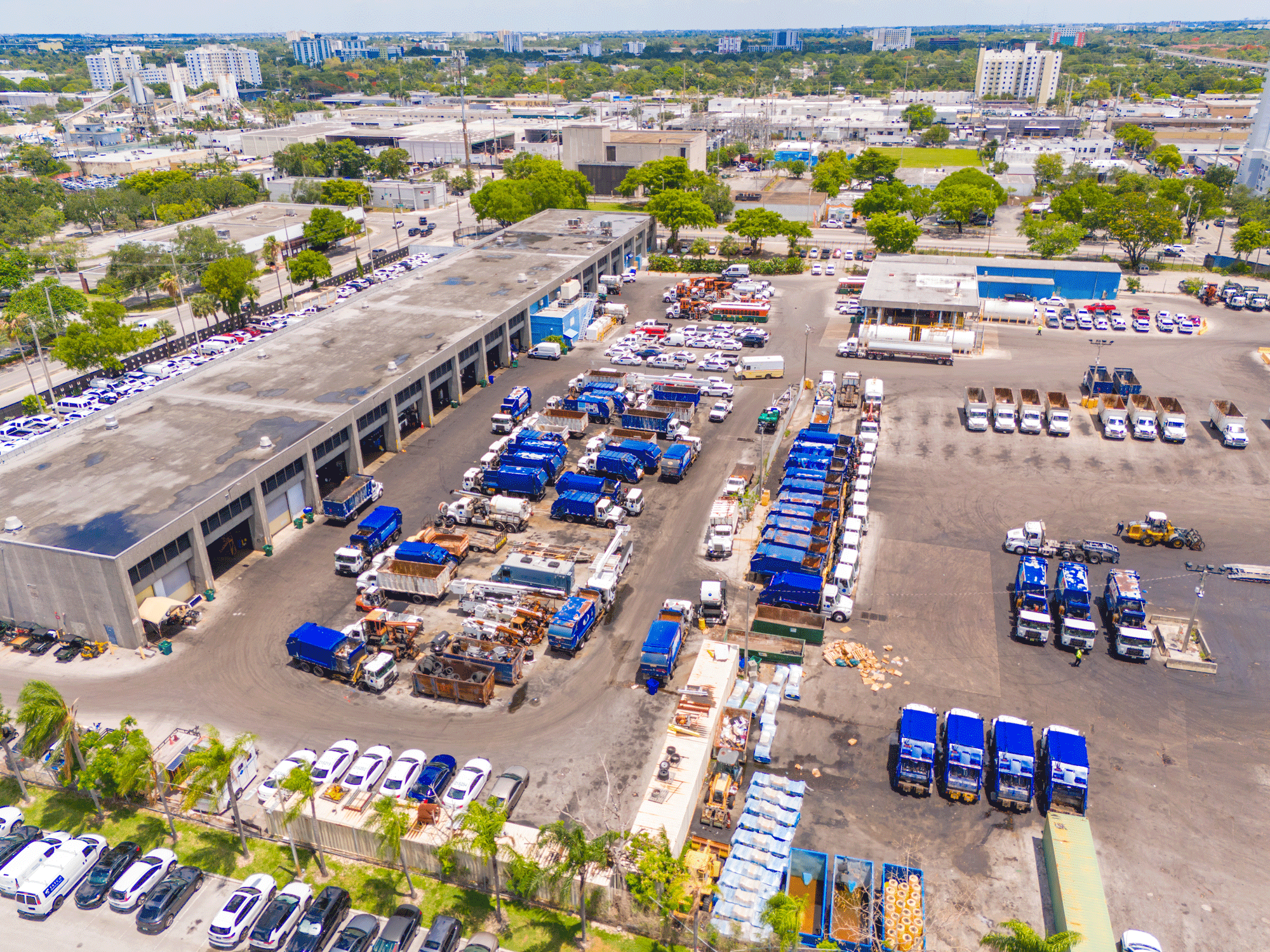
In the sanitation industry, waste management facilities are consistently one of the nation's most dangerous jobs. While collection routes pose traffic risks, the most critical hazards often occur right inside our facilities, from the tipping floor to the landfill. Here, massive vehicles and pedestrian workers share space, making vehicle-related incidents a leading cause of severe injury and fatality.
For managers, mitigating these vehicle and traffic hazards is paramount.
The Blind Spot Epidemic

Heavy equipment loaders, compactors, and haul trucks are built for power, not peripheral vision. This creates dangerously large blind spots where workers can disappear from the operator's view.
Backing Incidents: Most accidents happen when a vehicle is backing up. Strict use of spotters (signalers), audible alarms, and technology like proximity sensors are non-negotiable.
Visibility: Dust, rain, and debris constantly obscure mirrors. All ground workers must wear highly visible, reflective PPE and maintain a safe distance from equipment.
Collisions on Unstable Surfaces

Waste sites are dynamic; the ground is rarely flat, clean, or stable. This adds complexity to vehicle operations.
Ground Instability: On a working landfill face, uneven, soft surfaces increase the risk of large vehicles sliding or rolling over near slopes. Operators require specialized training for these conditions.
Tipping Floor Chaos: This area is high-traffic and fast-paced. Enforce strict, posted speed limits and establish clear one-way traffic patterns and a designated "Safe Zone" for ground staff to stage.
Mass vs. Speed: Even low-speed collisions involving heavy, loaded equipment are catastrophic. Enforcement of speed and right-of-way is vital.
Managing Pedestrian and Vehicle Interaction (PVI)

The danger lies in the breakdown of communication between equipment operators and ground staff (maintenance, spotters, sorters).
Communication Breakdown: Confusion about a vehicle's next move is deadly. Standardize hand signals and ensure operators and spotters are certified in communication protocols.
Distraction: Enforce strict policies against non-emergency use of phones and headsets for both operators and pedestrians; distraction breaks the safety chain.
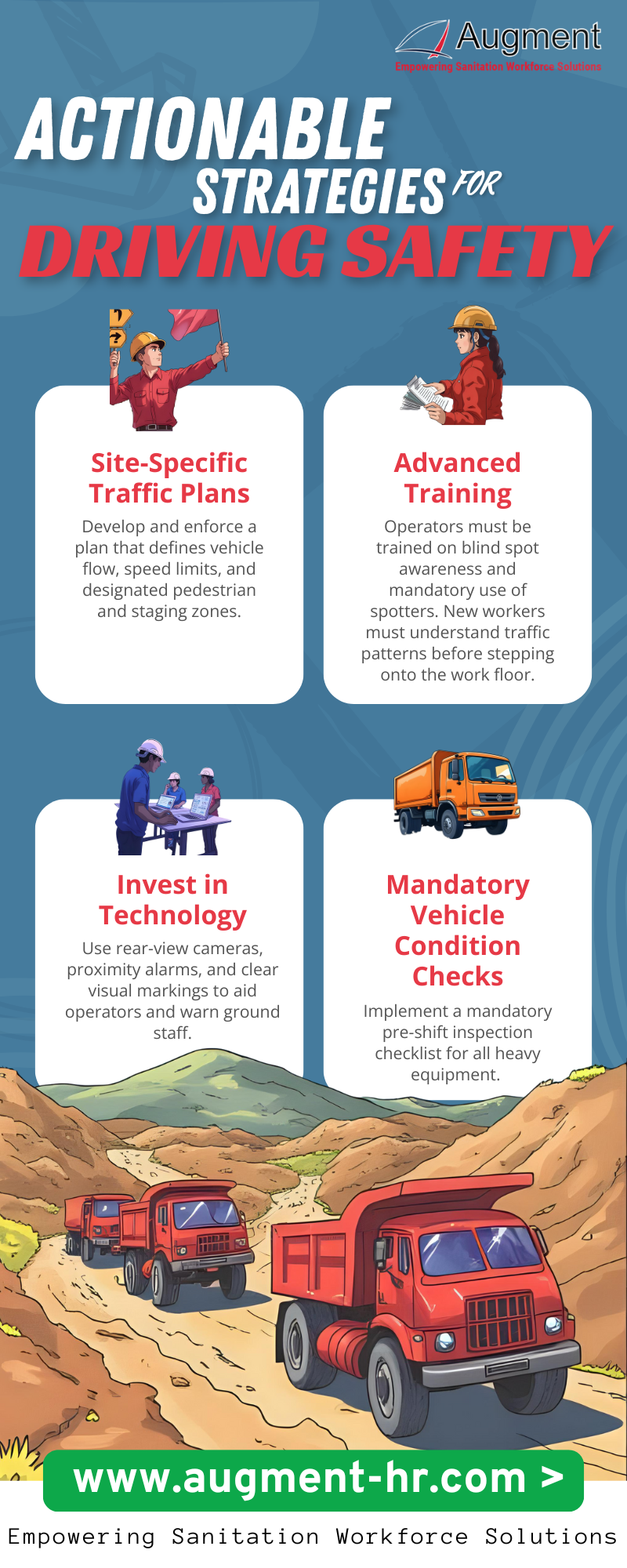
Actionable Strategies for Safety
A safe site requires a proactive, multi-layered approach to traffic management:
Site-Specific Traffic Plans: Develop and enforce a plan that defines vehicle flow, speed limits, and designated pedestrian and staging zones.
Advanced Training: Operators must be trained on blind spot awareness and mandatory use of spotters. New workers must understand traffic patterns before stepping onto the work floor.
Invest in Technology: Use rear-view cameras, proximity alarms, and clear visual markings to aid operators and warn ground staff.
Mandatory Vehicle Condition Checks (Pre-Shift Inspections): Implement a mandatory pre-shift inspection checklist for all heavy equipment. This ensures critical safety features are functional before the vehicle enters the work area