It’ll Fit: Navigating Through Tight Spaces

At Augment, safety is a top priority, supported by continuous training that prepares workers to handle demanding and unpredictable environments. One critical aspect of this training is learning how to safely navigate heavy traffic and tight spaces while working on sanitation trucks. Remaining alert, following established best practices, and maintaining situational awareness are essential to protecting not only yourself, but also your coworkers and the communities you serve. Sanitation routes often take place in busy neighborhoods, narrow alleys, and congested streets, where careful planning and constant attention are required to maneuver safely and efficiently.
Sanitation workers face a wide range of hazards in these environments, including limited visibility, moving traffic, parked vehicles, pedestrians, cyclists, and unexpected obstacles such as uneven pavement or poorly placed debris. Tight alleys and narrow streets increase the risk of being pinned between vehicles, struck by passing traffic, or injured while retrieving bins near property, fences, or walls.
Workers must also be mindful of backing operations, blind spots, and sudden traffic changes, which can escalate quickly if communication breaks down. Exposure to these hazards makes clear communication with the driver, proactive hazard recognition, and strict adherence to safety protocols essential to preventing accidents and injuries.
Helpful Tips for Safety in Tight Spaces
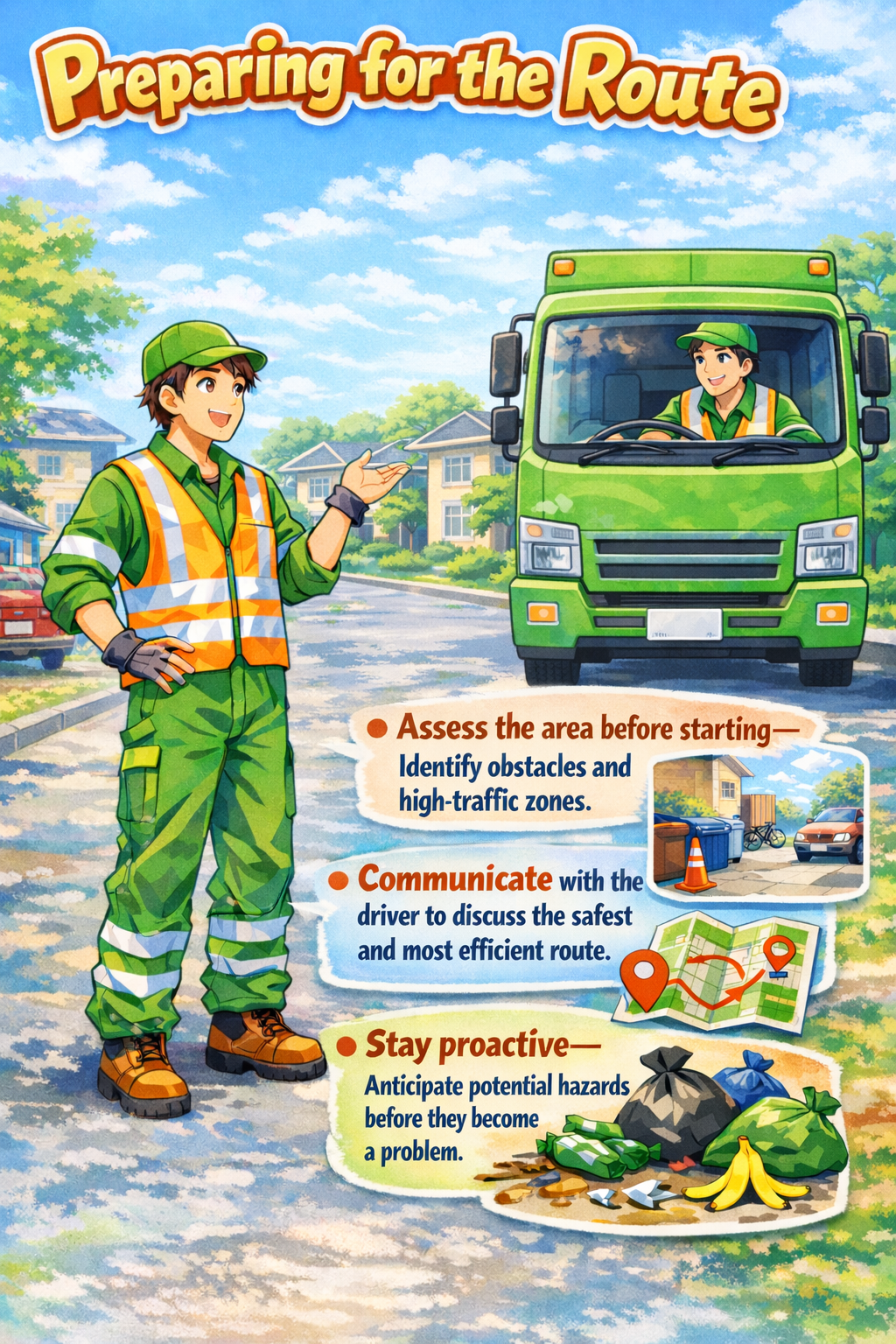
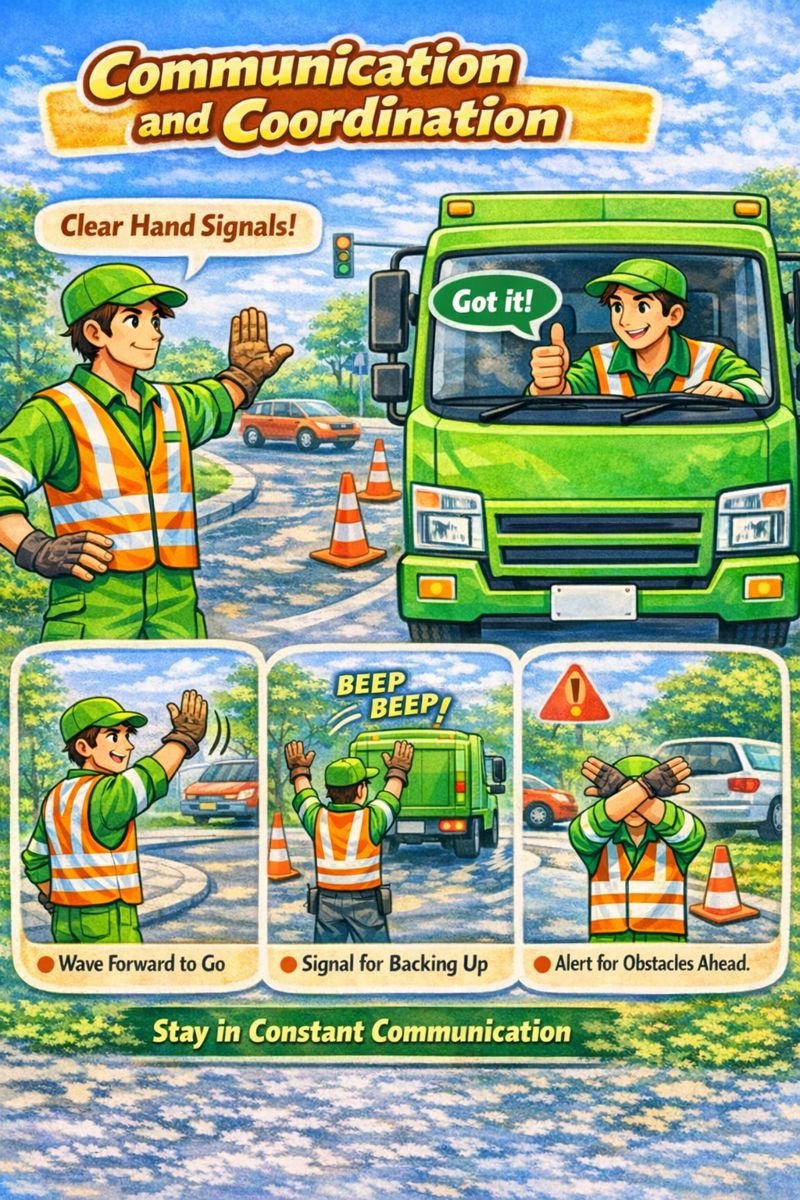
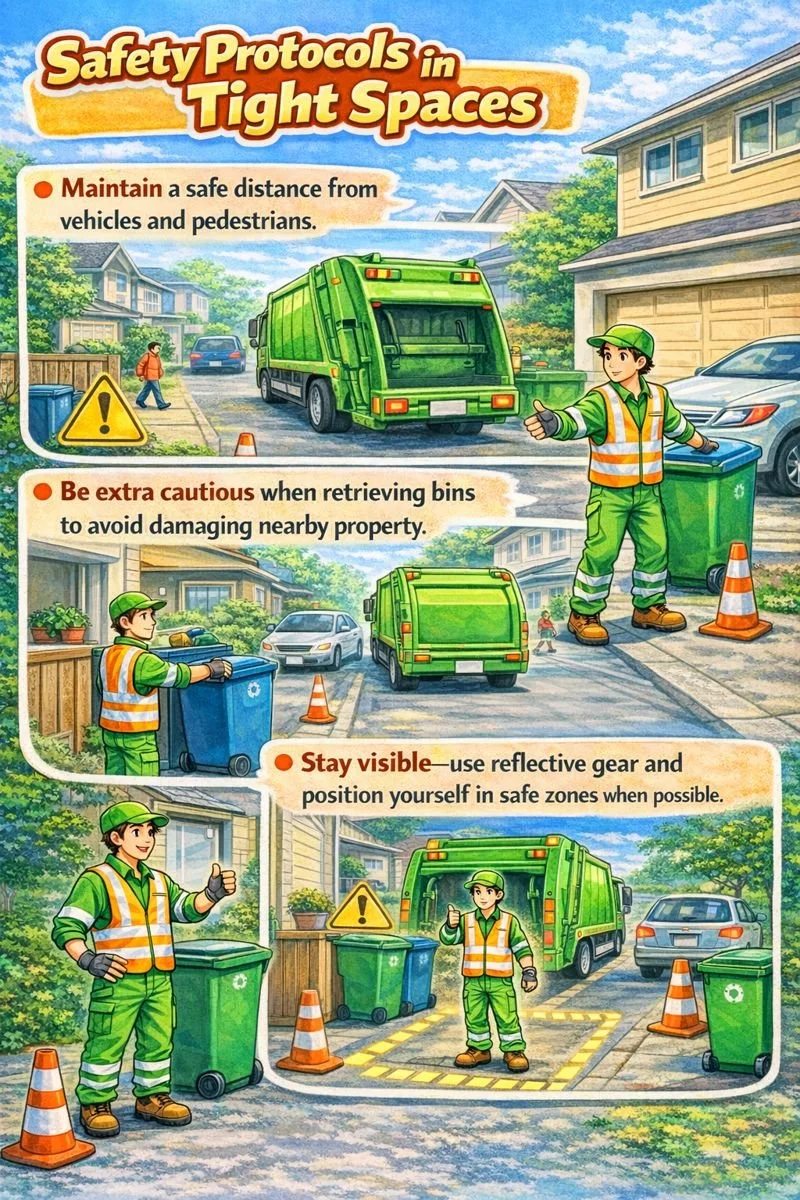
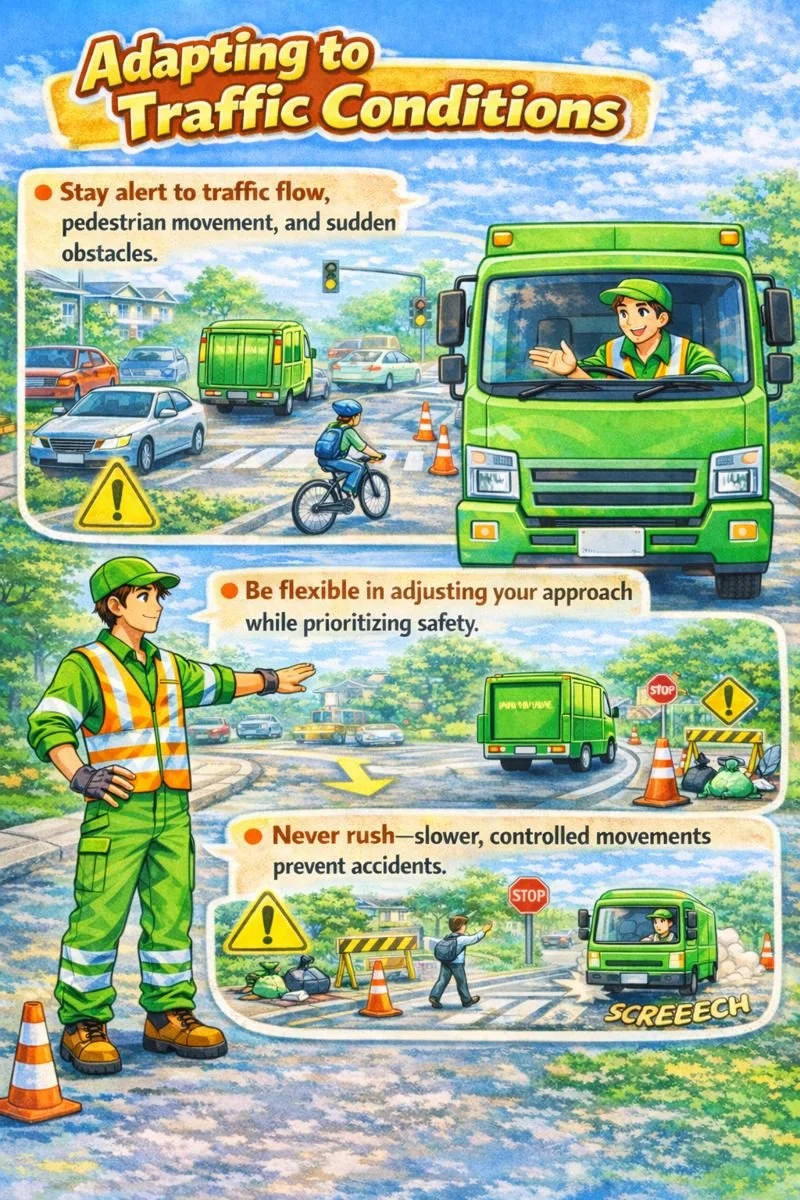
Working safely in tight spaces also plays a critical role in protecting the public. Sanitation workers operate in close proximity to residents, businesses, children, pets, and passing motorists on a daily basis. Safe driving speeds, clear signaling, proper positioning, and controlled movements reduce the risk of property damage, traffic incidents, and injuries to pedestrians or bystanders. As essential workers, sanitation professionals help maintain public health, cleanliness, and community safety, and the way the job is performed directly reflects that responsibility. By prioritizing safety, workers help build trust with the public and ensure that neighborhoods remain safe while essential services are carried out.
Finally, as employees of Augment, every worker represents the company on the jobsite and in the community. Following safety procedures not only protects lives but also upholds Augment’s commitment to professionalism, accountability, and responsible service. Safe work practices help prevent incidents that could disrupt operations, damage property, or impact public confidence. By working carefully and communicating effectively, employees demonstrate pride in their role as essential workers and reinforce Augment's dedication to safety for our workforce, our clients, and the communities we serve.