Braving the Weather: Managing Wet and Slippery Conditions
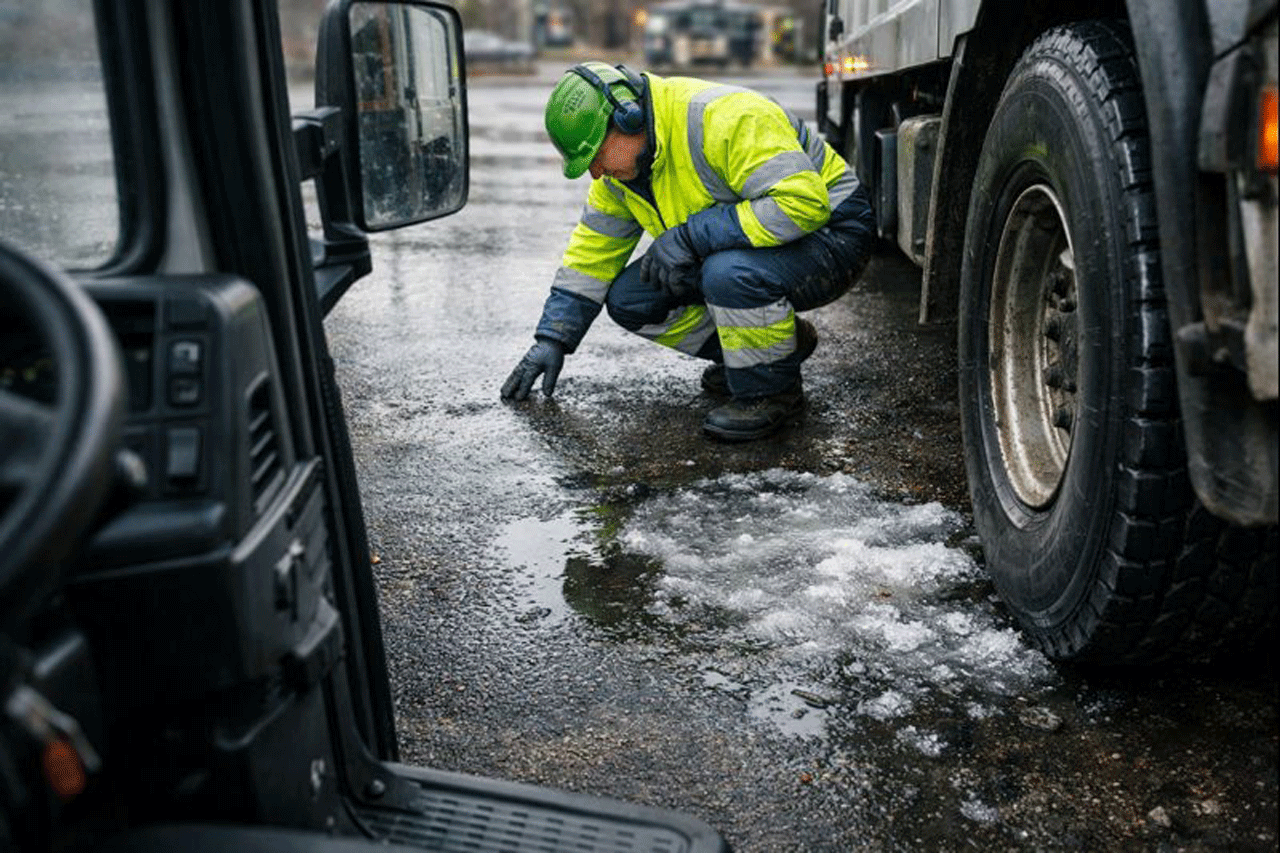
In the world of industrial labor and waste management, the environment is rarely a controlled one. Rain, sleet, snow, and even localized spills can turn a standard job site into a high-risk zone in a matter of seconds. According to OSHA, slips, trips, and falls constitute the majority of general industry accidents and result in between 20% and 25% of all work-related injuries.
At Augment, we believe that "weathering the storm" isn't just a phrase, it is a skill. Our comprehensive safety training is designed to give workers the tools and techniques they need to maintain productivity without compromising safety when surfaces become hazardous.
Recognizing the Hazards
Safety begins with situational awareness. Wet conditions are often deceptive; a sidewalk may look clear but hold a thin layer of "black ice," or a metal truck step may become as slick as a skating rink after a light drizzle.
Augment's training teaches contractors to identify high-risk "micro-climates" on the job site:
Transition Zones: Moving from a dry interior to a wet exterior.
Inclines and Gradients: Slopes that become treacherous when moisture reduces friction.
Hidden Hazards: Puddles that may hide potholes, debris, or uneven surfaces.
By training workers to scan their path 10 to 15 feet ahead, we help them stay vigilant and take preventative measures before a slip occurs.
The Right Footwear and Gear: More Than Just a Requirement
Standard sneakers or low-cut boots don’t cut it in the field. Augment requires contractors to wear 6-inch lace-up steel-toe boots. This isn't just about toe protection; the 6-inch height provides critical ankle support to prevent rolls and sprains on uneven, slippery ground.
Furthermore, we provide guidance on maintaining Personal Protective Equipment (PPE). Properly rated slip-resistant outsoles and moisture-wicking rain gear ensure that workers stay dry and focused. When a worker is cold and wet, their reaction times slow down; proper gear keeps them sharp and responsive.
Walking Techniques: The "Penguin Walk" and Beyond
When traction is compromised, how you move is just as important as what you wear. Our training covers specialized walking techniques for adverse conditions:
Small, Deliberate Steps: Keeping your center of gravity over your feet.
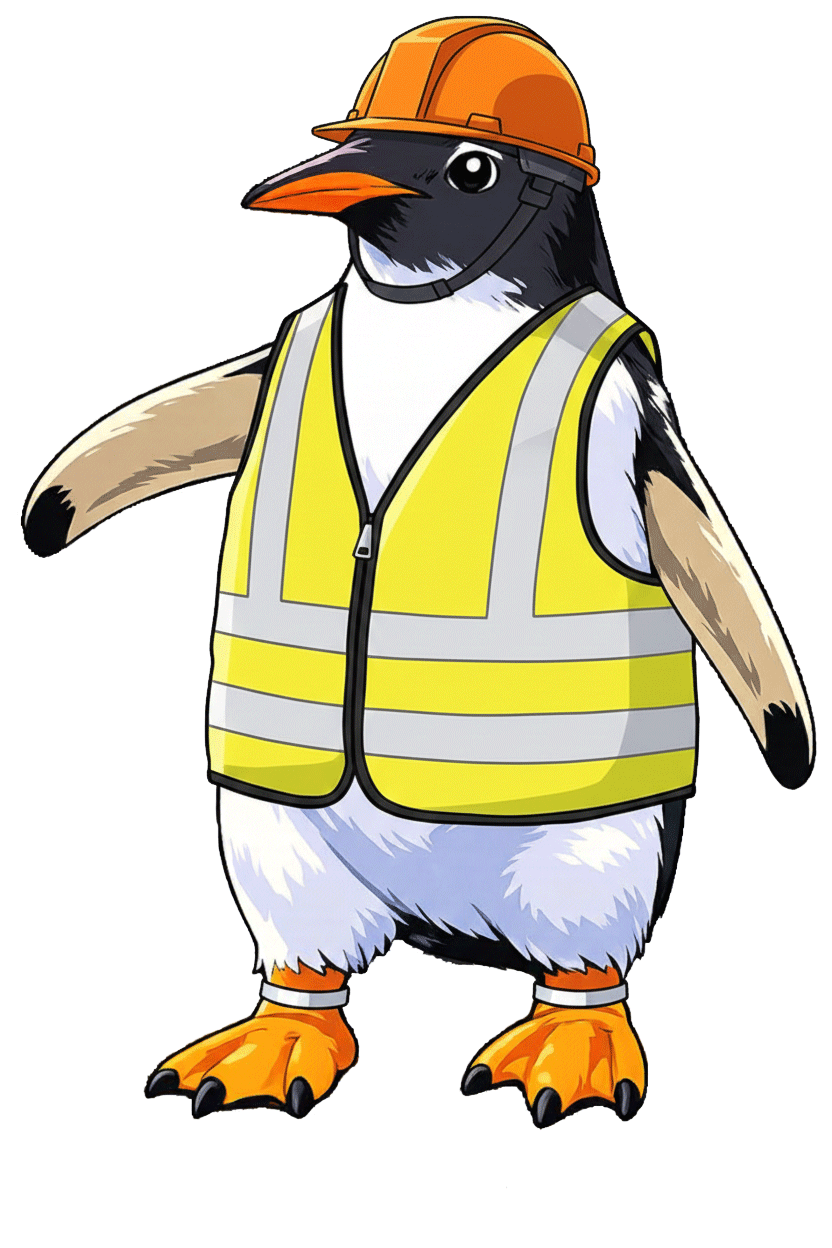
The "Penguin Walk": Pointing feet slightly outward and taking short, shuffling steps on icy or exceptionally slick surfaces.
Slowing Down: We emphasize that "haste makes waste." Taking an extra five seconds to navigate a slick patch can save weeks of recovery from a fall.
Maintaining Three Points of Contact
For workers operating machinery or vehicles, the most dangerous moment is often getting in or out. Augment emphasizes the Three Points of Contact rule: always have two hands and one foot, or two feet and one hand, firmly planted on the equipment at all times. This creates a triangle of stability that drastically reduces the risk of a fall if a foot slips on a wet step.
Real-World Example: Trash Collection in the Rain
Consider a residential trash collection route on a rainy Monday morning. The worker must frequently jump off the back of the truck, navigate residential driveways, and lift heavy bins, all while the metal surfaces of the truck and the asphalt are covered in a film of water and oil.
The Risk: Without training, a collector might hurry to stay on schedule, leaping from the truck step onto a slick driveway. This leap—combined with the weight of a trash bag—creates a high-impact force that can lead to a catastrophic slip.
The Augment Difference: Because of our specific training, the Augment-trained worker:
Assesses the Landing: Before exiting the vehicle, they check for oil sheens or standing water on the pavement.
Uses Three Points of Contact: They use the grab bars to steady themselves, ensuring they don't "hop" off the truck, but rather step down deliberately.
Proper Traction: Their 6-inch lace-up boots provide the necessary grip on the metal diamond-plate steps of the refuse truck, which are notorious for becoming slippery when wet.
Load Management: They understand that carrying a heavy load shifts their center of gravity, so they take smaller steps when moving from the curb back to the hopper.
Augment Culture is Safety Culture
Navigating wet conditions is an inevitable part of the job, but injuries don't have to be. Augment’s comprehensive safety training empowers contractors to navigate the elements with heightened awareness, top-tier equipment, and refined physical techniques. By fostering these safe practices, we create a work environment that is not only more productive but ensures every worker returns home safely, regardless of the weather.