Danger Ahead: Identifying Hazardous Waste on Your Route
What Exactly is Hazardous Waste?
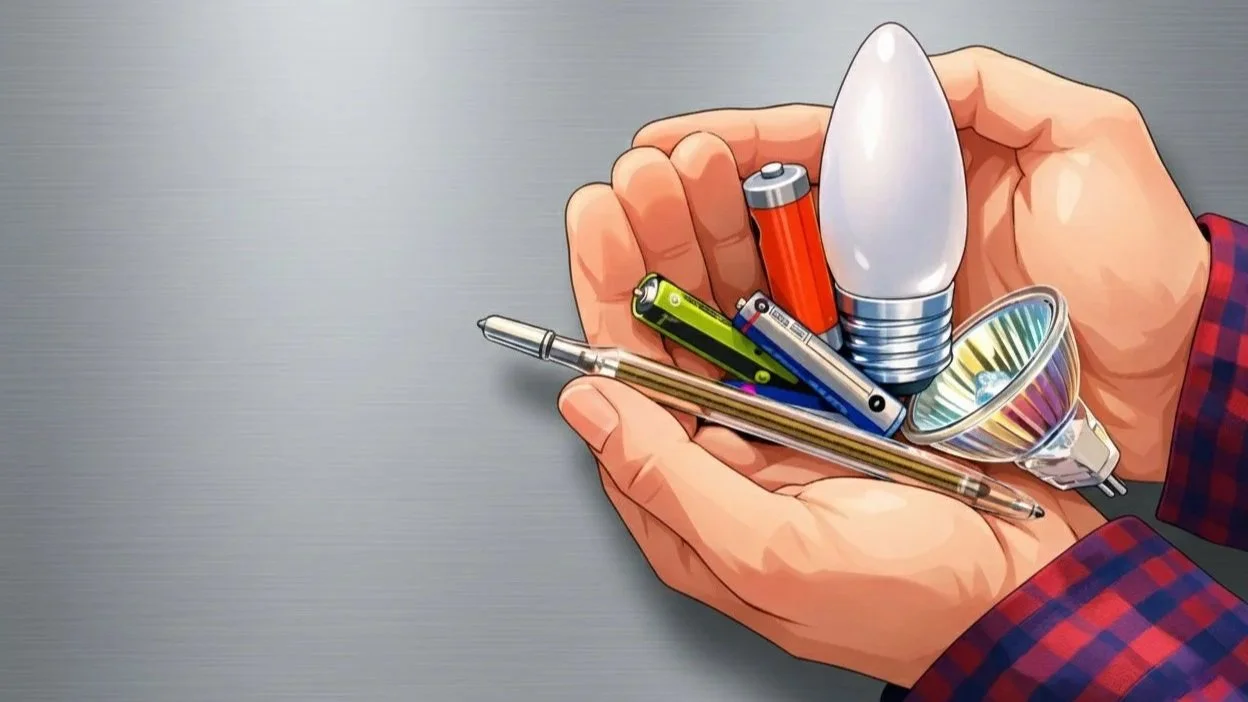
Hazardous waste is any discarded material that threatens health, safety, or the environment due to its chemical, physical, or biological makeup. In our industry, these materials are invisible threats that can turn a routine stop into an emergency.
Common items to watch for:
Batteries: (Especially lithium-ion, which are major fire risks)
Paint and Solvents: Highly flammable and toxic.
Cleaning Chemicals: Can create lethal gases if mixed in the hopper.
Pesticides: Dangerous if inhaled or touched.
Propane Tanks: High explosion risk under pressure.
These materials must never be collected through standard sanitation routes. Picking them up puts you, your crew, and the entire community at risk.
How to Spot the Red Flags
Training isn't just about what you know; it’s about what you see. All Augment professionals are trained to keep an eye out for these warning signs:
Warning Labels: Look for words like “Danger,” “Corrosive,” “Toxic,” or “Flammable.”
Physical Cues: Containers that are leaking, bulging, or oddly pressurized.
The Smell Test: Unusual or overpowering chemical odors.
Packaging: Unsealed, unlabeled, or strangely shaped containers.
Pro Tip: If you are unsure, do not collect it. Always pause and check with your driver before proceeding.
Why We Say "No" to Hazardous Waste
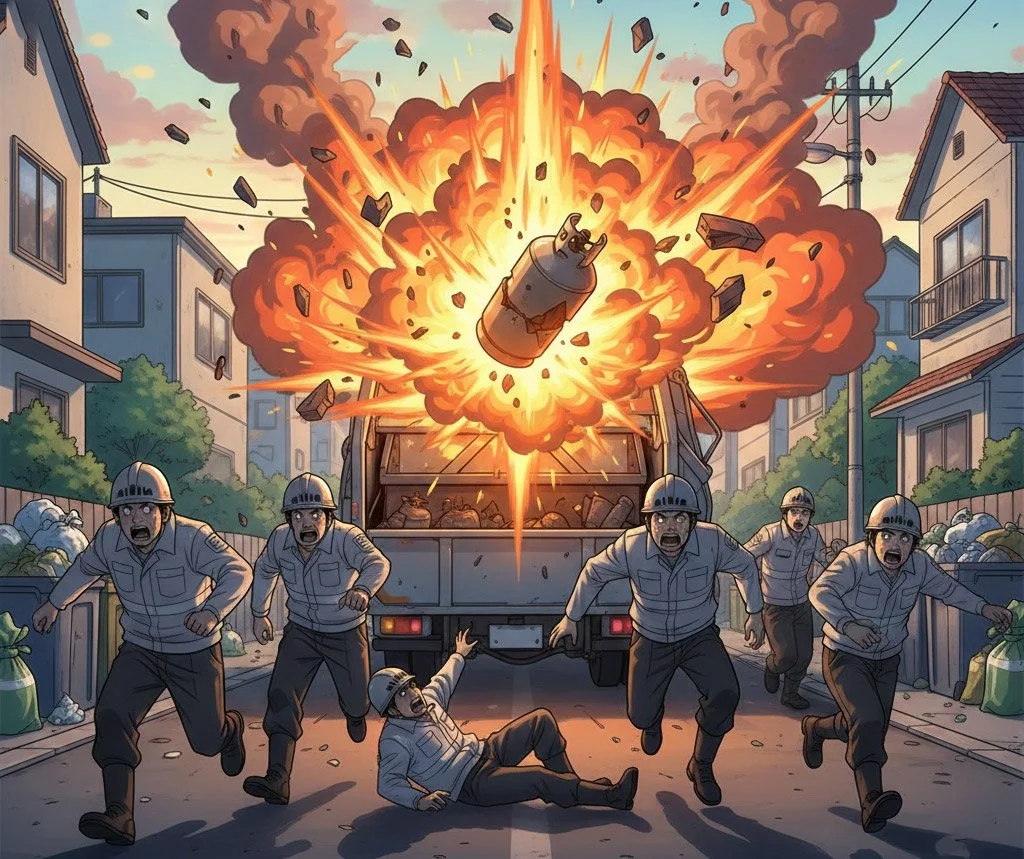
It might seem easier to just "throw it in," but the consequences are severe. Hazardous waste can ignite, explode, or release toxic fumes the moment it’s compressed by the truck’s packer.
If you encounter these items, politely inform the resident that these materials must be taken to an authorized hazardous waste drop-off site. It’s not about being difficult; it’s about being safe.
Safety Starts with You (And We’ve Got Your Back)
Every sanitation worker placed by Augment is equipped for success from the start. We ensure you are:
Pre-trained: Sanitation-specific safety modules completed before your first shift.
Fully Equipped: Provided with all required PPE and gear.
Always Learning: Enrolled in weekly safety refreshers based on real-world scenarios.
Supported: Backed by a zero-tolerance policy for unsafe practices.
Our training is accessible 24/7 via app, text, and email. Because in this industry, safety doesn’t wait.
Hazardous waste identification is about more than just knowing what to avoid; it’s about protecting lives. Stay alert, follow your training, and remember, if you have questions, your representative is just a call away.