Beat the Heat: Why Hydration is Your Most Important Tool on the Route

Working in the waste and sanitation industry is a marathon, not a sprint. It’s physically demanding year-round, but when the summer sun hits, the stakes get much higher. In this industry, high temperatures aren't just uncomfortable; they are a legitimate safety hazard.
At Augment, we believe that safety isn't just a manual; it’s a mindset. This week, we’re diving deep into the science of hydration: why it matters, how to master it, and how to spot the "red zones" before they become emergencies.
Why Hydration is Non-Negotiable
When you are lifting bins, walking miles of pavement, or riding the rear step, your body acts like a high-performance engine. To keep that engine from seizing up, it needs coolant, which, for humans, is water.
Proper hydration serves as the body’s essential maintenance system, beginning with temperature regulation; much like a built-in air conditioner, water allows you to sweat, preventing your internal temperature from skyrocketing to dangerous levels. Beyond cooling, it provides vital organ and joint protection by lubricating your moving parts and ensuring your kidneys can effectively filter out the physical toll of a demanding shift. Perhaps most importantly for field safety, staying hydrated maintains mental sharpness and prevents the "brain fog" that leads to accidents, ensuring you stay reactive and focused throughout your entire route.
The Pro’s Guide to Staying Hydrated
Hydration isn't something you do after you get thirsty. By the time you feel parched, you’re likely already 2% dehydrated, which can decrease physical performance by up to 20%.
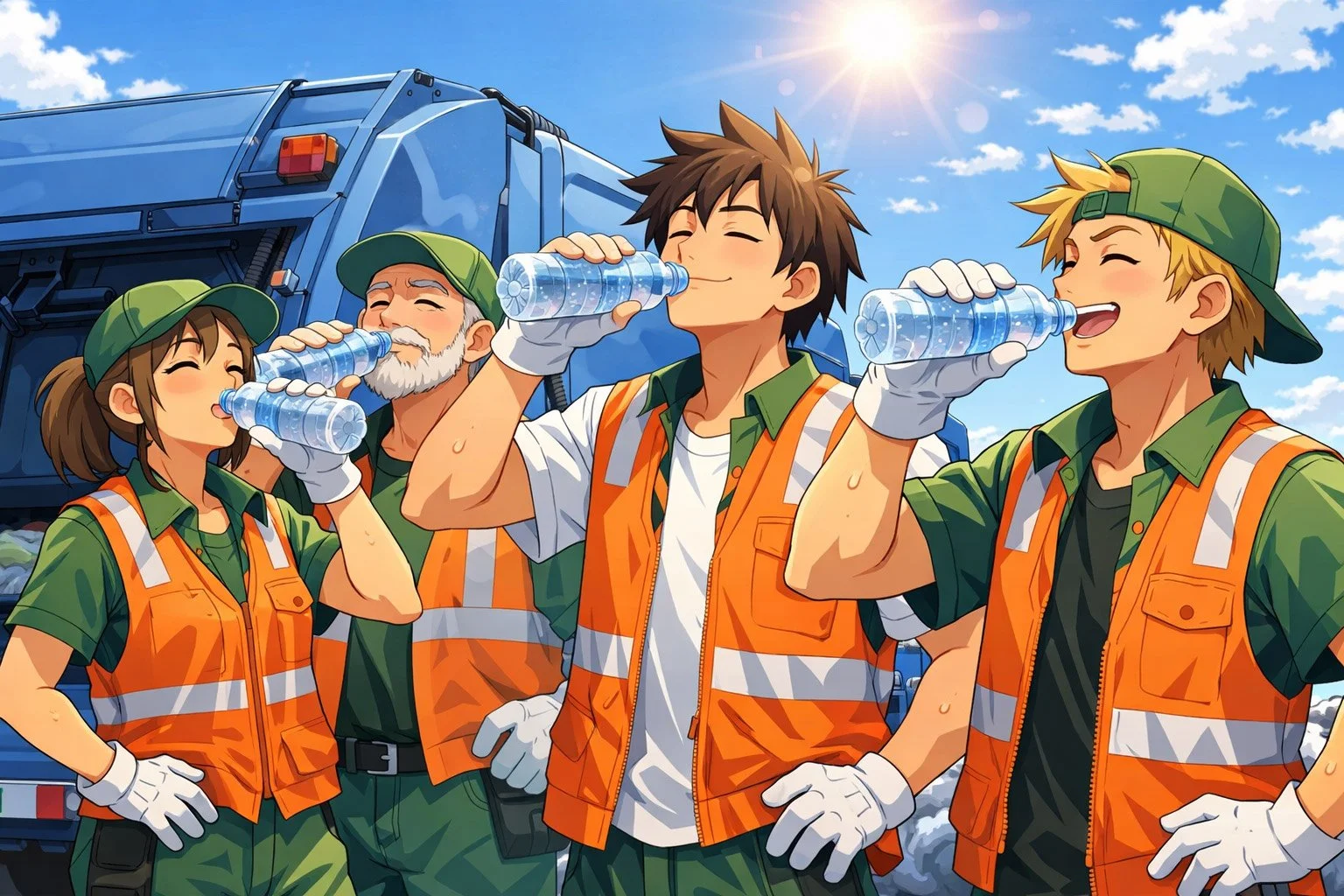
To stay ahead of the heat, you should "pre-game" your shift by drinking at least 16 ounces of water before you even clock in, as starting your day at a deficit is a guaranteed recipe for a mid-day crash. Once you're on the route, follow the "little and often" rule by aiming for 5–8 ounces of fluid every 15–20 minutes, which allows your body to absorb water more efficiently than chugging a large amount at once. If you are sweating heavily for more than two hours, be sure to balance your intake with electrolytes from sports drinks or powders to replace essential minerals. Finally, stick to the "no" list by avoiding energy drinks, heavy sodas, and excessive caffeine; these act as diuretics that can actually pull water out of your system and speed up dehydration.
Know the Warning Signs
Early detection is the difference between a quick water break and a trip to the hospital. Keep a close eye on yourself and your crew for these "Red Zone" symptoms:
Early Warning: Dry mouth, fatigue, mild headache
Moderate Risk: Dark yellow urine, muscle cramps, light-headedness
Emergency: Confusion, lack of sweating, fainting, or nausea
Building a Safety Culture
At Augment, we don’t just provide staffing; we provide a foundation of safety. From our comprehensive pre-employment sanitation training to the weekly safety refreshers delivered directly through our contractor app, we make sure our workers have the knowledge they need to stay healthy.
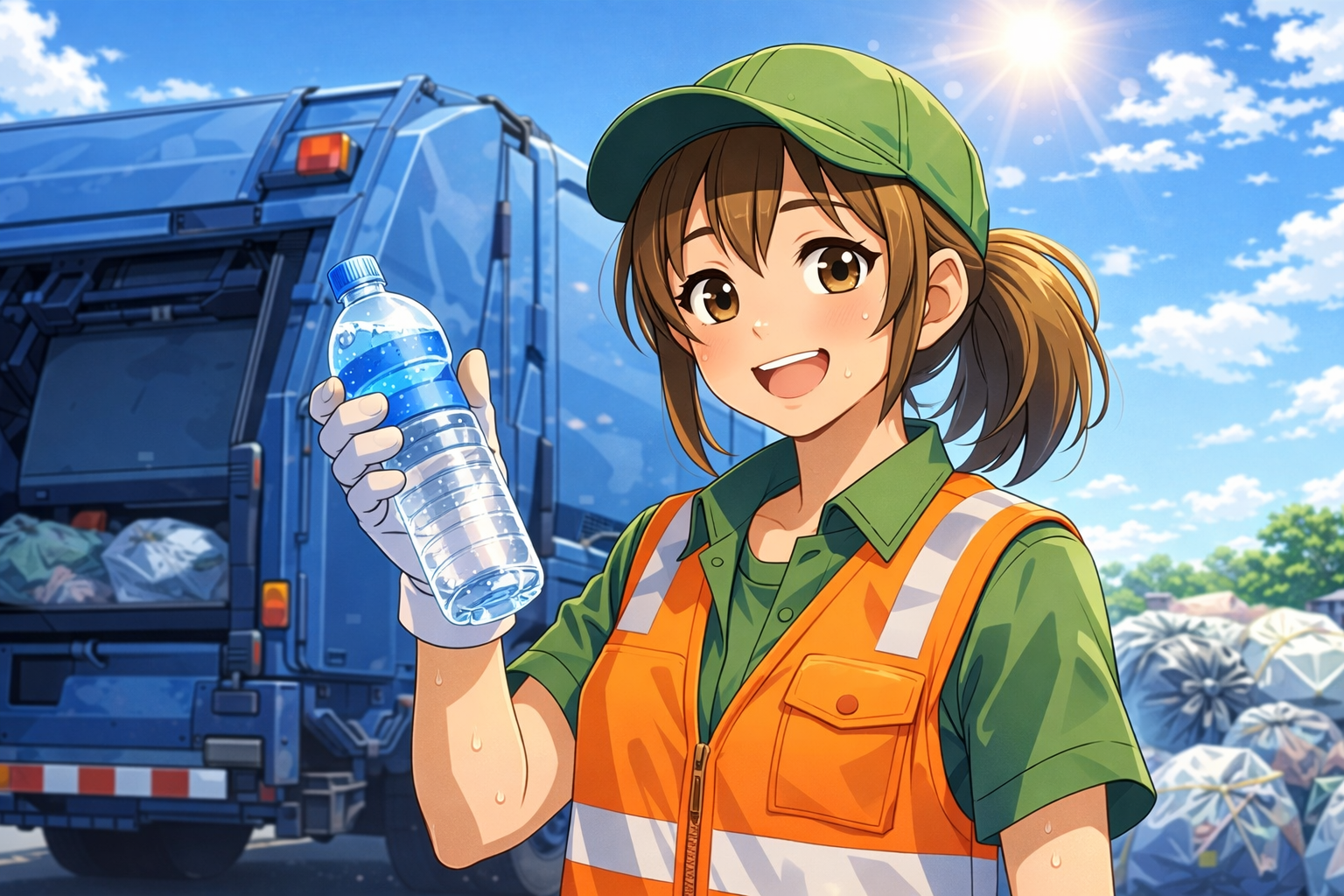
Hydration is more than a good habit, it’s a safety requirement. When we look out for one another and prioritize our health, we ensure that every worker makes it home safe at the end of the route.
Stay cool. Stay hydrated. Stay safe.