The 30-Ton Risk: Mastering Packer Blade Safety in Sanitation
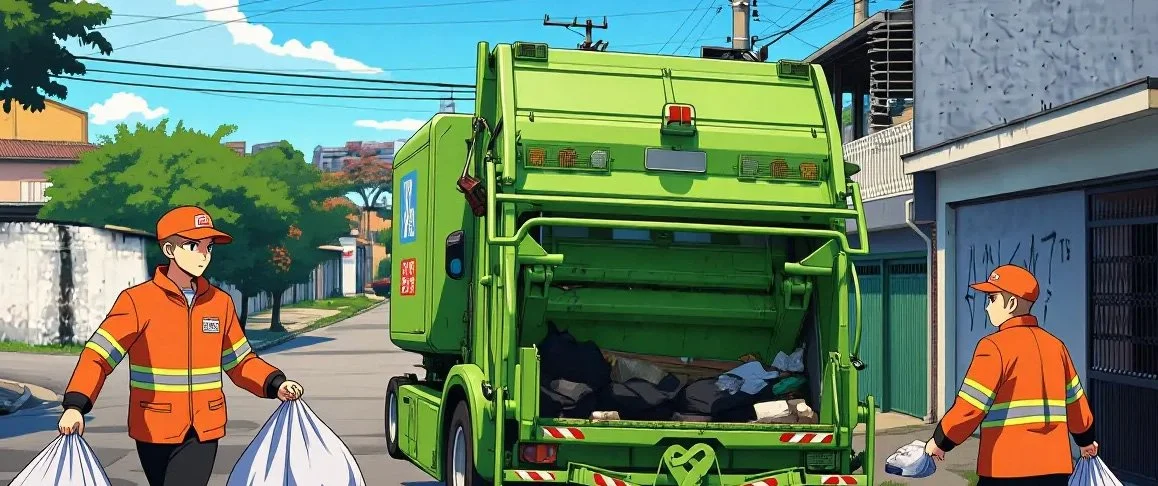
At Augment, safety isn’t just a line in a manual, it’s the heartbeat of our culture. As one of the only staffing providers exclusively serving the trash and sanitation industry, we understand the unique risks our teams face every day.
Because we hold a zero-tolerance policy for unsafe work practices, we reinforce our standards with sanitation-specific safety training every single week. This week, we are focusing on one of the most powerful and potentially unforgiving components of a garbage truck: the packer blade.
Understanding the Power of the Machine
A standard packer blade is designed to crush everything from wooden furniture to solid metal. During operation, these blades can apply 30 to 40 tons of force. To put that in perspective, that is enough pressure to flatten a car. When you are working around equipment this powerful, there is no room for "shortcuts" or "just this once" moments.
To keep yourself and your crew safe, follow these essential guidelines on what to avoid and how to operate correctly.
What NOT to Do: Avoiding Critical Errors
The most common cause of injury involving packer blades is a lack of respect for the machine's "danger zone."
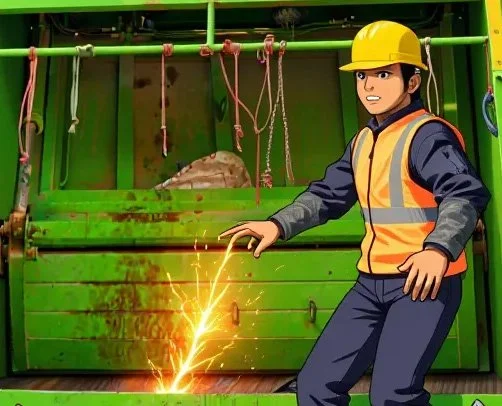
Never Reach Into the Hopper: It can be tempting to reach in to grab a fallen item or adjust a load, but the hopper is a "no-man's land." Once the cycle starts, the blade moves quickly and cannot distinguish between trash and a human limb.
Don't Touch the Blade or Reposition Trash: If a bag is sitting awkwardly or the blade seems to be missing a piece of debris, leave it alone. Manually moving trash inside the hopper puts you at risk of being caught in a pinch point.
Never Stand Directly in Front of the Packer While Moving: Position matters. If you stand directly behind the truck or in front of the hopper during a cycle, you risk being hit by "fly-back" (debris being ejected under pressure) or being pulled toward the mechanism.
Don't Attempt to Remove Stuck Bins or Debris: If a bin gets hooked or a large item jams the blade, stop. Never try to muscle it out yourself. This is the moment to call your driver or supervisor to lock out the power before any intervention occurs.
What TO Do: Best Practices for Every Shift
Safety is a proactive habit. By following these steps, you ensure that you remain in control of your environment.
Toss Trash, Never Place It: Maintain a "safe distance" habit. By tossing bags into the hopper from the side, you ensure your hands and arms never cross the threshold of the danger zone.
Stay to the Side During Operation: The safest place to be when the blade is cycling is to the side of the vehicle, well away from the opening. This gives you a clear line of sight to the driver while keeping you out of the path of potential flying debris.
Keep Your Body Clear of the Blade’s Path: Treat the packer blade’s path as an invisible wall. No part of your body, including your feet or hands, should ever cross that line while the truck's engine is running.
Communicate and Follow Protocol: Safety is a team sport. Use hand signals or verbal "clear" shouts to communicate with your driver. If you aren't sure about an on-site protocol, ask. A five-second question is better than a lifelong injury.
The Augment Difference
The packer blade is a tool, not a friend. It requires your full attention and a healthy dose of respect. At Augment, we take pride in the fact that our workers are the best-prepared in the industry. From comprehensive pre-employment training to our weekly safety refreshers, we ensure that every team member is equipped to return home safely at the end of their shift.