The Frontline of Community: Why Bin Etiquette is the Secret to Happy Neighborhoods
We’ve all seen it, a stray lid dancing down the street on a windy day, or a bin left haphazardly in the middle of a driveway. While it might seem like a small detail, the way we handle garbage bins is actually the frontline of community safety and professional sanitation.
At Augment, we believe that excellence in waste management isn’t just about moving trash—it’s about respect, efficiency, and safety. Here is how specialized training transforms "trash day" into a seamless community service.
The Art of the Securement
A job well done starts before the truck even moves. Proper securement is the first line of defense against litter and neighborhood pests.
Seal the Deal: Ensuring lids are tightly closed prevents spillage and keeps debris from becoming "roadside confetti."
The Professional Lift: Using even handling techniques isn't just about ergonomics; it reduces unnecessary noise and prevents bin damage, showing residents that their property is being handled with care.
The "Responsible Return" Rule
The job isn't finished when the bin is empty. Where and how a bin is placed after collection speaks volumes about the service provider’s professionalism.
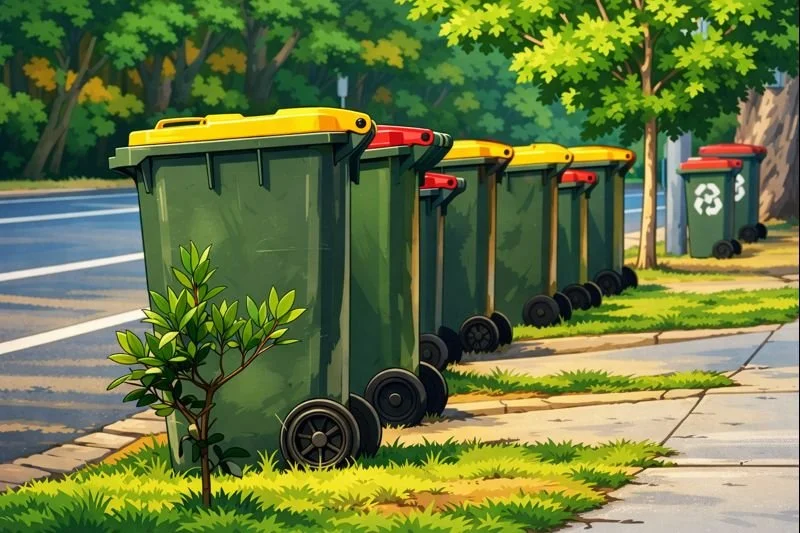
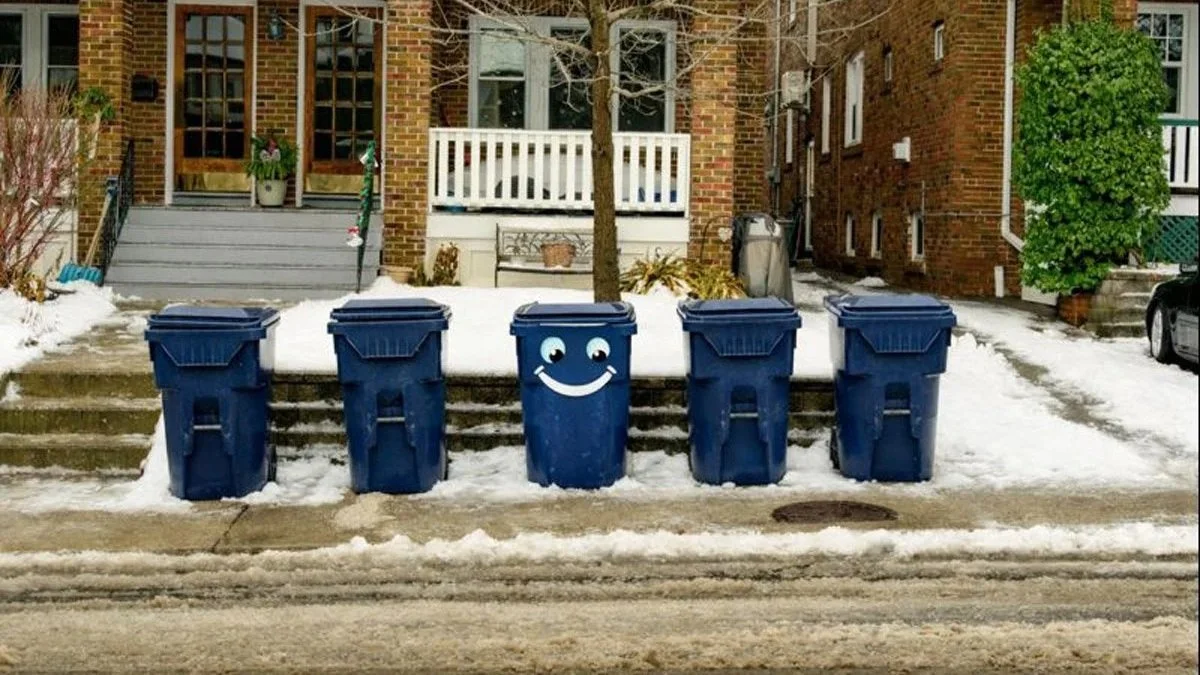
Clear the Path: Bins should always be returned upright to their designated spots. A bin blocking a sidewalk isn't just an eyesore—it’s a hazard for strollers, wheelchairs, and pedestrians.
Driveway Safety: Ensuring driveways remain clear prevents property damage and keeps morning commutes frustration-free for residents.
Cleanliness & Communication
True pros don't just walk away from a mess. If a spill occurs during the collection process, our training emphasizes an immediate "clean-as-you-go" policy to keep residential streets pristine.
Furthermore, proactive communication is key. If a bin is cracked or a wheel is missing, sanitation teams are trained to document and report the damage immediately. This transparency builds a bridge of trust between the waste management team and the community.
The Bottom Line
When sanitation workers prioritize securement and responsible returns, they do more than just manage waste—they foster a safer, cleaner, and more respectful environment for everyone. Through specialized training, we empower teams to perform their duties with a "community-first" mindset.